IVF: A Journey to Parenthood

Parenthood is a dream cherished by many couples, but for some, the path to having a baby can be challenging. Infertility affects millions of couples worldwide and can bring emotional, physical, and psychological stress. Fortunately, advances in reproductive medicine have made it possible for many couples to conceive through In Vitro Fertilization (IVF).
IVF has become one of the most effective and widely used fertility treatments, offering hope to couples who struggle with natural conception. For many families, IVF truly becomes a remarkable journey to parenthood.

Understanding Infertility

It can affect both men and women and may occur due to several factors such as hormonal imbalances, reproductive health issues, or lifestyle factors.
Orthopedic Care
Bone Treatment

Common Causes of Female Infertility

Some common causes include:

  • Ovulation disorders
  • Polycystic Ovary Syndrome (PCOS)
  • Endometriosis
  • Blocked fallopian tubes
  • Uterine abnormalities
  • Age-related fertility decline

Common Causes of Male Infertility

Male infertility may occur due to:

  • Low sperm count
  • Poor sperm motility
  • Abnormal sperm shape
  • Hormonal problems
  • Genetic factors

In many cases, couples may experience unexplained infertility, where no clear cause is identified.

What is IVF (In Vitro Fertilization)?

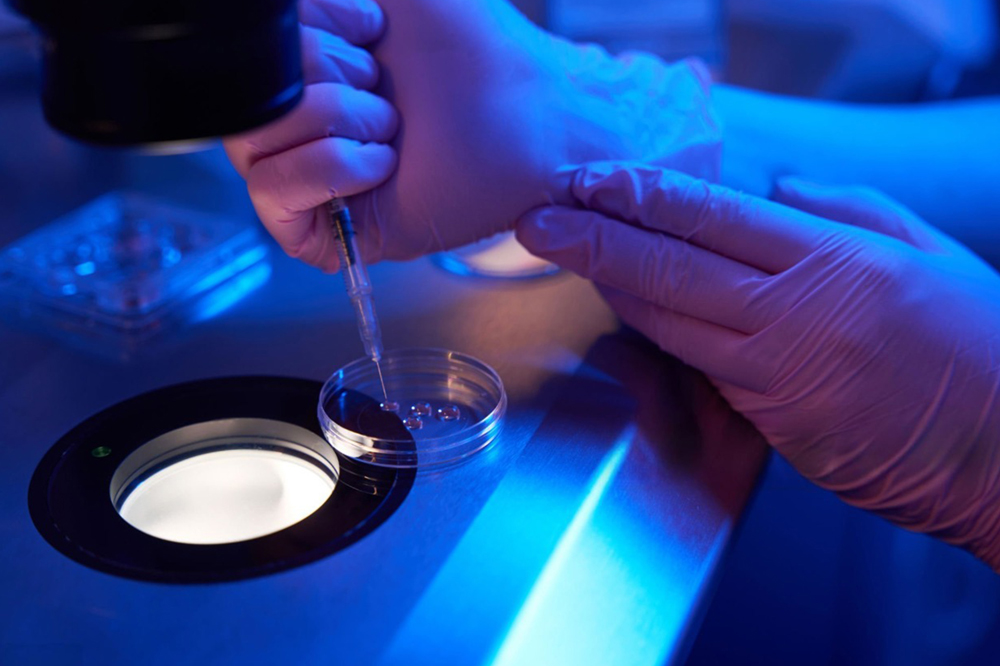
IVF is an advanced fertility treatment where an egg and sperm are fertilized outside the body in a laboratory. Once fertilization occurs, the resulting embryo is carefully transferred into the uterus to achieve pregnancy.


Because fertilization occurs in a controlled environment, IVF significantly increases the chances of conception for couples facing infertility.

The IVF Journey: Step-by-Step

Understanding the IVF process can help couples feel more confident and prepared for the treatment journey.

  • 1. Initial Consultation and Fertility Assessment The IVF journey begins with a detailed consultation with a fertility specialist. Doctors evaluate the medical history of both partners and perform fertility tests such as: • Hormone testing • Ultrasound scans • Semen analysis These tests help determine the most suitable treatment plan.
  • 2. Ovarian Stimulation During this stage, fertility medications are used to stimulate the ovaries so they produce multiple eggs instead of the single egg normally released during a natural cycle.

    Regular monitoring through blood tests and ultrasound scans ensures proper follicle development.

  • 3. Egg Retrieval Once the eggs are mature, a minor procedure called egg retrieval is performed. The eggs are collected from the ovaries using a thin needle under ultrasound guidance.
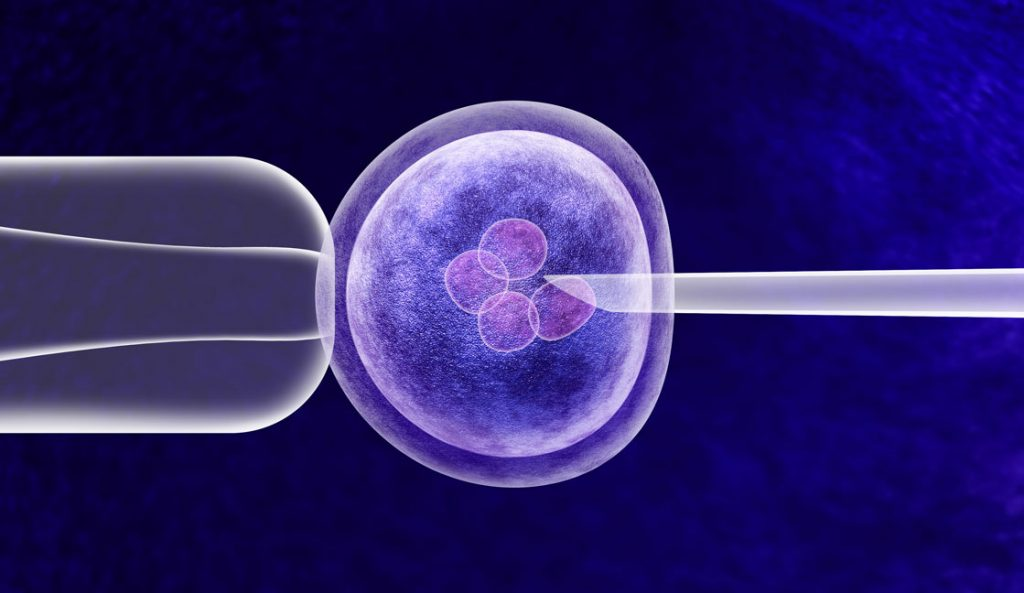
  • 4. Fertilization in the Laboratory The collected eggs are fertilized with sperm in a specialized laboratory. In some cases, doctors use a technique called ICSI (Intracytoplasmic Sperm Injection) where a single sperm is injected directly into the egg to improve fertilization chances.
  • 5. Embryo DevelopmentAfter fertilization, the embryos are monitored in the laboratory for several days to ensure healthy growth.
  • 6. Embryo TransferA healthy embryo is then transferred into the uterus through a simple and painless procedure. The embryo may implant into the uterine lining and begin developing into a pregnancy.

Who Can Benefit from IVF?

IVF can be recommended for couples experiencing:

  • Blocked or damaged fallopian tubes
  • Severe male infertility
  • Endometriosis
  • Ovulation disorders
  • Genetic disorders
  • Repeated pregnancy loss
  • Failed previous fertility treatments

IVF is also helpful for couples who have been trying to conceive for many years without success.